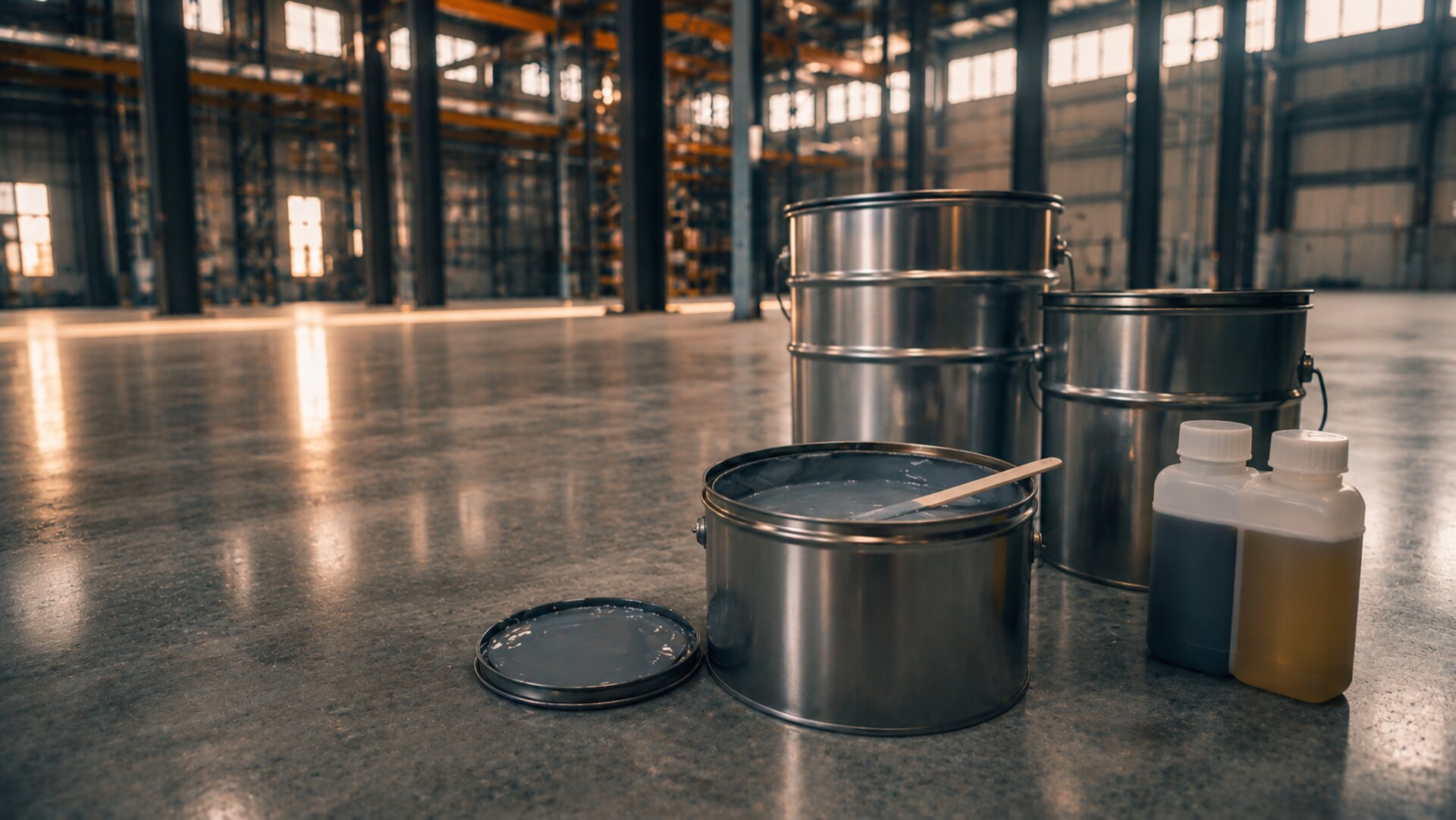
Every floor we install is built on products that have been proven in government facilities, aerospace plants, warehouses, and commercial buildings. Here's exactly what we use and why we use it.
Over the years we've worked with dozens of manufacturers and formulations across countless jobs. Below are some of our favorites. If there's a specific product or system you'd like us to use on your project, just let us know — we're happy to work with it.
Heavy-duty floor coatings trusted by the construction, government, and industrial sectors for decades.
Sherwin-Williams' ArmorSeal line is one of the most specified commercial and industrial floor coating systems in North America. We use ArmorSeal products on a wide range of projects — from government facilities and aerospace supplier plants to commercial and residential work — because the system is well-engineered, technically documented, and available in formulations appropriate for nearly every environment we work in. Their specification-grade products are the same systems used on projects from school systems to military installations.
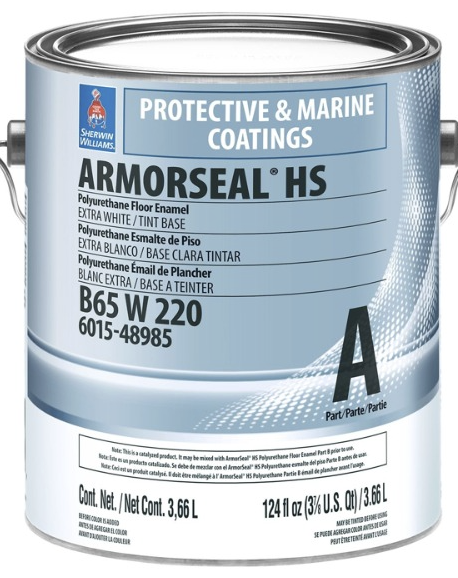
A high-solids, two-component epoxy formulated for demanding industrial requirements. Cures to a tough, high-gloss finish with excellent resistance to alkalies, abrasion, corrosion, and chemical attack. Suitable for heavy vehicular traffic including forklifts.
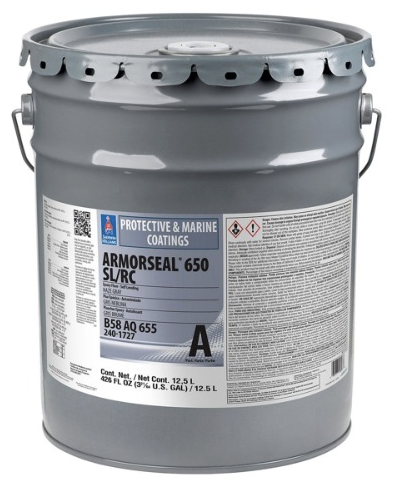
A self-leveling, recoatable two-component epoxy that provides a high-gloss, seamless, hygienic surface. Extremely hard-wearing and durable, suitable for areas requiring a smooth, cleanable surface. Can be applied to provide a non-slip texture where required.
A next-generation water-based epoxy floor coating offering excellent chemical and abrasion resistance. Breathable and designed for commercial, industrial, and residential floor applications where low VOC content is important or required.
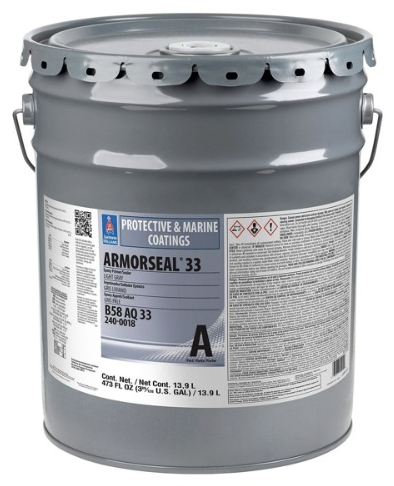
A 100% solids, high-build, fast-cure epoxy primer designed for use under ArmorSeal 650 or wherever a high-build primer is needed. Provides a solid foundation for demanding multi-coat systems by maximizing bond strength to the prepared concrete substrate.
 PDF
PDF
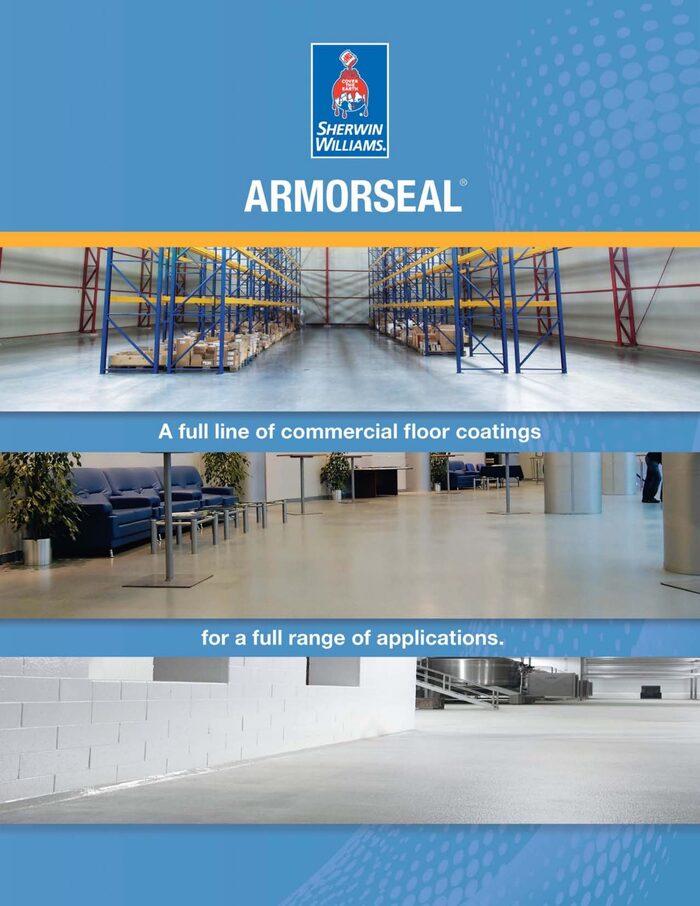
The complete Sherwin-Williams ArmorSeal catalog — performance comparisons, color options, surface prep guidance, and the full ordering guide.
View full brochureSherwin-Williams produces CSI MasterFormat specification sections (Division 09 67 00) for their ArmorSeal line, which means the products can be directly referenced in project specifications and government bid documents. Their technical data sheets, SDS documents, and application bulletins are thorough and current — the level of documentation that government contracts and prime contractors require. When we bid on federal or state projects, ArmorSeal systems are often specifiable by name and have a track record acceptable to government procurement.
100+ years of industrial coatings trusted by municipalities, the military, and heavy industry across North America.
Founded in 1921 and headquartered in Kansas City, Missouri, Tnemec is one of the largest privately held protective coatings manufacturers in North America. (The name is "cement" spelled backwards — a nod to their origins.) Tnemec products are used across water treatment plants, bridges, government buildings, pharmaceutical facilities, and industrial plants — environments where coating failure carries real operational consequences. We use Tnemec systems on projects where chemical resistance, long-term durability, and specification-grade documentation are required.
A two-component liquid epoxy combined with multicolored ceramic quartz aggregate — providing both strength and beauty, and protecting against impact, abrasion, and mild chemicals. An ultra-clear resin with an even-mix ratio, available in standard color blends for smooth or skid-resistant finishes. Seamless and monolithic, extremely durable, 100% solids.
A decorative vinyl flake system over a Tnemec epoxy base, delivering both the aesthetic appeal of a broadcast flake finish and the durability of Tnemec's industrial epoxy chemistry. Provides a seamless, non-porous surface with natural slip resistance from the flake texture.
A highly chemical- and solvent-resistant colored novolac glaze coating for walls, floors, and other surfaces. Provides improved aesthetics and additional protection against abrasion, impact, and most acids, alkalis, and solvents. Specified for the most chemically aggressive industrial environments.
A low-odor, mortar-applied floor topping designed for monolithic applications in abusive service areas. Self-priming and applicable to 10-day-old concrete. Provides excellent chemical resistance and withstands thermal shock from hot liquids and aggressive cleaning. Can tolerate moisture vapor transmission up to 20 lbs per ASTM F1869 — one of the highest-rated moisture-tolerant systems available.
An extremely hard, chemical-resistant aliphatic moisture-cured urethane floor coating with superb flow characteristics and excellent resistance to abrasion, wet conditions, corrosive fumes, and chemical contact. Excellent gloss and color retention with a low-odor profile that allows use near occupied space. Supplied as a clear coat or tinted with the StrataShield color line — our go-to clear topcoat over Deco-Tread and Deco-Fleck decorative flooring systems.
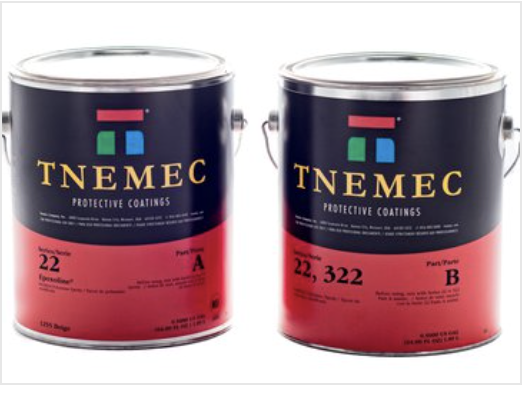
An advanced-generation, 100% solids, high-build epoxy providing excellent resistance to abrasion, suitable for immersion service in potable water and wastewater environments. Specialized curing mechanism allows for faster cure response. NSF/ANSI certified for specific applications and conforms to AWWA C 210.
An extremely hard, chemical-resistant urethane coating with excellent abrasion resistance, designed for washdown conditions, corrosive fumes, and direct chemical contact. A top choice as a finish coat over epoxy base systems in environments requiring both excellent wear resistance and chemical protection.
 PDF
PDF
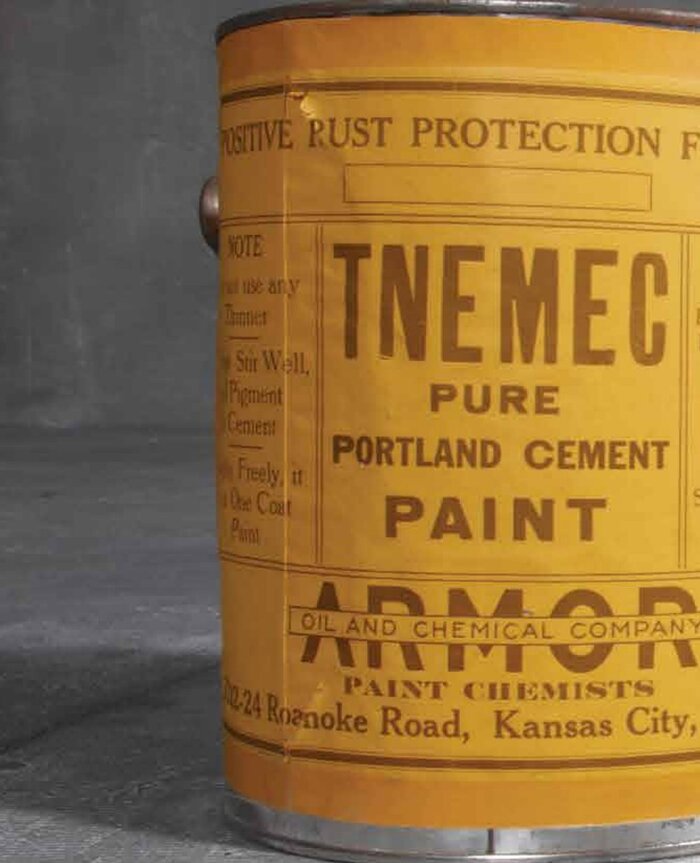
A century of coating innovation — company history, featured projects, and why Tnemec is trusted on demanding government and industrial work.
View full brochureTnemec's century-long track record with municipalities, the military, and heavy industry means their products have extensive real-world performance data — not just lab results. Their sales network operates through local independent technical representatives who can support complex specification work and provide on-site technical assistance during application. For projects where we're working as a subcontractor to a prime contractor or responding to a government specification, Tnemec products are frequently already named in the spec — a reflection of their long-standing acceptance in the public procurement world.
American-made grinding equipment and diamond tooling used for every surface preparation and concrete polishing job we do.
Founded in 2004 and based in Norris, Tennessee, Concrete Polishing Solutions (CPS) is the market leader in propane-powered concrete floor grinding and polishing equipment, and manufactures a full range of proprietary diamond tooling for coatings removal, surface preparation, floor polishing, and concrete maintenance. Every piece of CPS equipment is hand-assembled in the USA. We use CPS equipment and tooling because it's built for production-scale commercial and industrial work — faster, more reliable, and better supported than the alternatives.
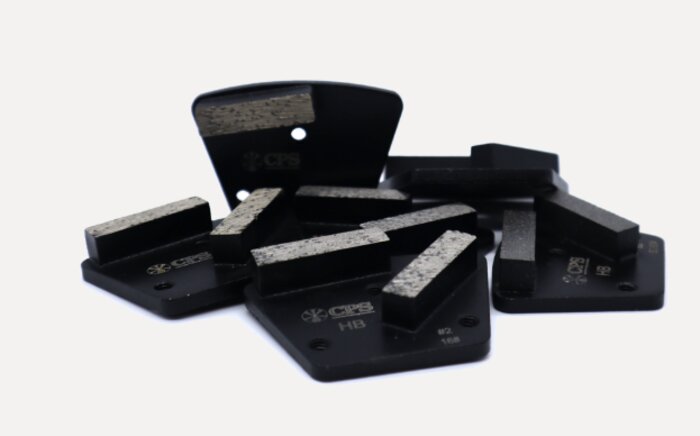
Traditional trapezoid-type metal-bonded tools with a soft bond — the workhorse for coatings removal and initial concrete cutting. Available in 6, 16, 30/40, 60/80, and 150 grits. Average life expectancy of 8,000–10,000 square feet per set. Used at the start of every prep sequence for opening the concrete surface profile.
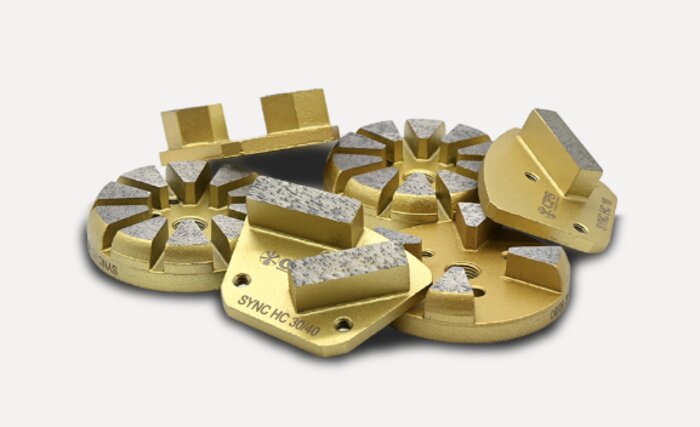
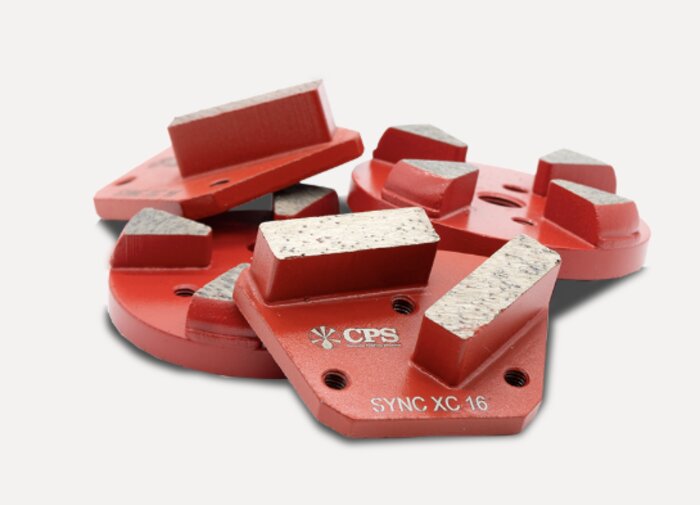
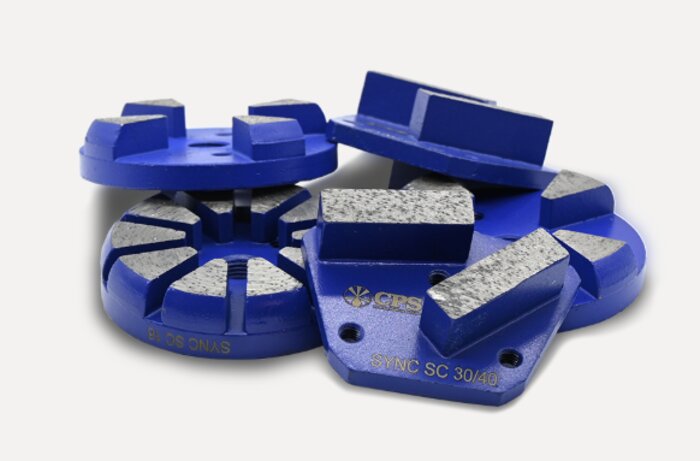
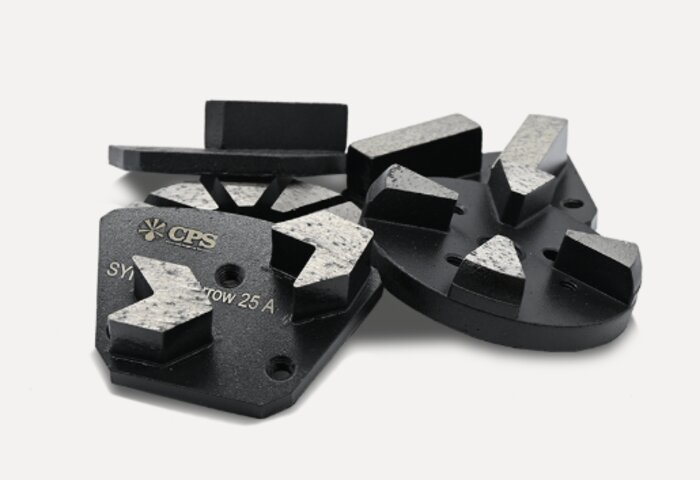
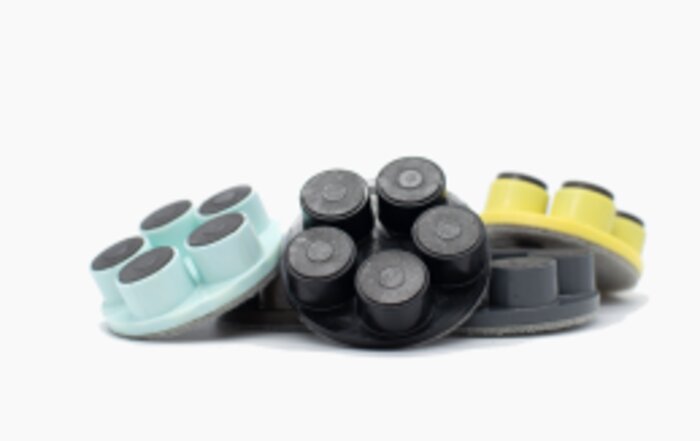
Cuts like resins, wears like metals. The MACH series doesn't glaze up on hard concrete and can replace metal bonds on 90% of floors. No water required — truly dry-cut tooling that handles hard concrete and grinds down to exposed aggregate when needed. Increases production over 100% compared to dry metal bonds on hard concrete, with an 8,000 sq ft lifespan.
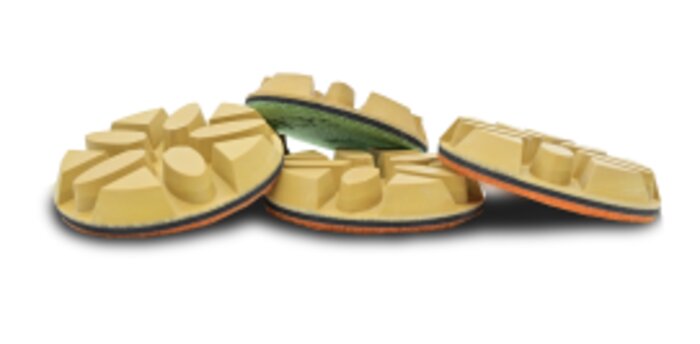
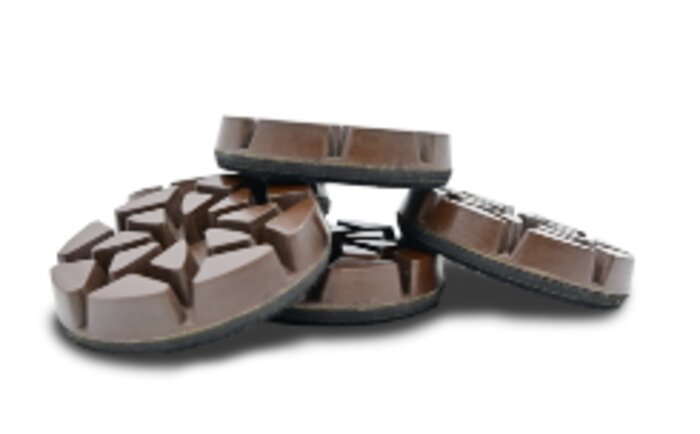
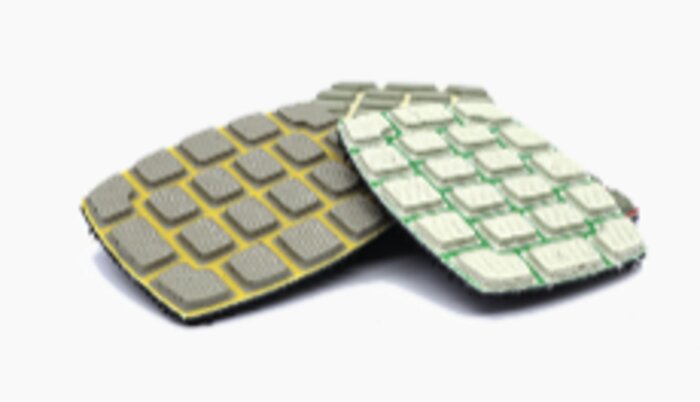
One-size-fits-all polishing tooling that works equally well on soft, hard, or medium concrete surfaces. Sektors combine reduced labor costs with excellent tooling life for the lowest cost per square foot in dry polishing. The go-to tool for the honing and polishing stages of a concrete polish sequence.
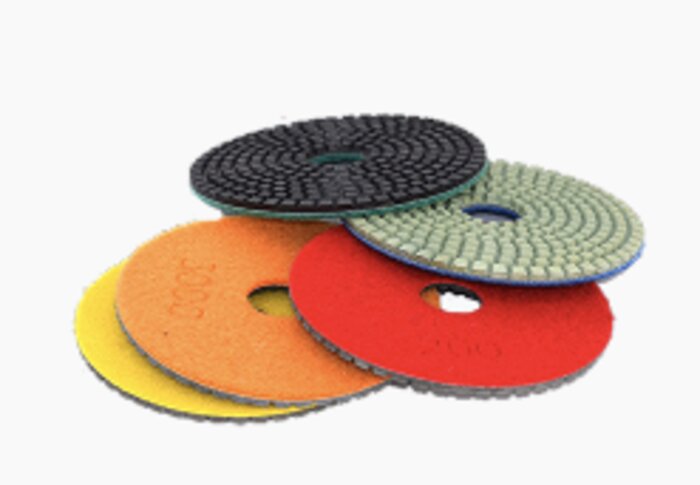
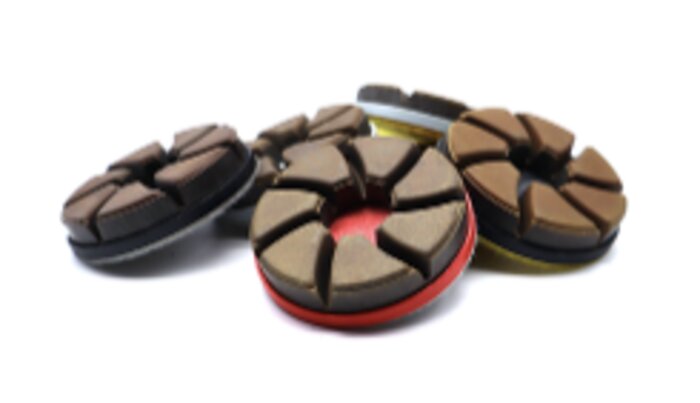
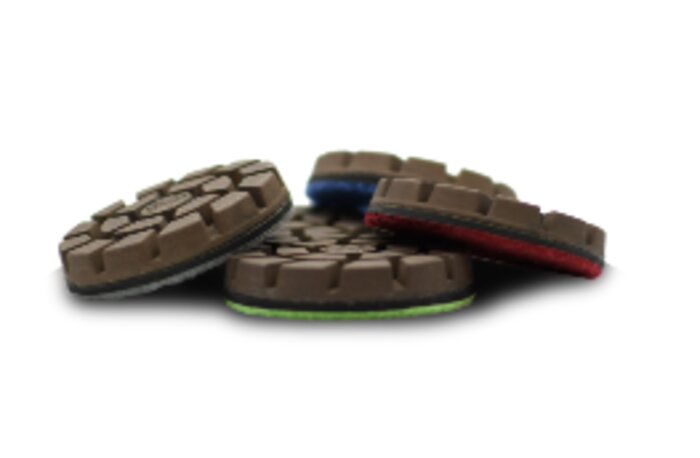
A full range of 5" velcro-backed resin discs for honing and polishing edges and perimeters on concrete floors. Each grit formulated to blend edge work seamlessly with the machine-polished field — critical for a professional result in any polished concrete project.
The quality of the surface preparation — the single biggest factor in whether a coating lasts or fails — is directly tied to the quality of the grinding equipment and tooling. Underpowered or worn-out equipment produces inconsistent surface profiles, which means inconsistent adhesion. CPS propane-powered grinders deliver consistent torque and surface preparation across large areas, including in situations where electrical power access is limited — common in industrial and government facility work. The difference between production-grade equipment and consumer-grade equipment shows up in the floor years later.
Depending on the project's specific requirements — substrate conditions, chemical exposure, timeline, client specification — we draw on a broader set of professional-grade products. Here are others that see regular use.
A fast-curing two-part polyaspartic aliphatic polyurea topcoat used as a clear sealer or within multi-coat systems including chip, quartz, and metallic decorative builds. UV stable, self-priming, and tolerant to 300°F for incidental heat contact. USDA compliant for food processing environments. Working time of 20–25 minutes; foot traffic in 2–4 hours. Our go-to polyaspartic topcoat for residential and commercial flake systems.
Applied during the concrete polishing sequence, penetrating densifiers react chemically with calcium hydroxide in the concrete slab to form additional calcium silicate hydrate — measurably hardening the surface and improving abrasion resistance. We use lithium silicate-based densifiers on all polished concrete projects for their superior penetration and reduced surface residue compared to sodium or potassium silicate formulations.
Applied as the final step on polished concrete floors, penetrating stain guards soak into the densified surface and provide stain resistance without forming a surface film — so there's no coating to wear off and the floor can be re-treated as part of normal maintenance. We specify guard products compatible with the densifier chemistry used on each project.
Used for routing and filling dormant cracks and treating control joints before coating application. Semi-rigid polyurea fillers allow slight movement with the concrete's natural thermal cycling — preventing the rigid re-cracking that occurs when hard epoxy fillers are used in joints that still move. Applied after grinding, ground flush before topcoats.
When moisture testing reveals elevated vapor emission rates, we use specially formulated moisture-tolerant primers rated for higher MVER thresholds than standard primers — including Tnemec's Ultra-Tread MVT line (Series N241–N246). These products chemically tolerate moisture vapor transmission and provide a stable adhesion base for decorative systems over problem slabs — basements, below-grade facilities, and slabs without adequate vapor barriers.
Broadcast into topcoats on request or where slip resistance requirements exceed what flake texture alone provides. Aluminum oxide provides a harder, more durable surface texture than silica sand and is preferred for high-traffic areas requiring DCOF compliance. Used in commercial, industrial, and safety-critical zones.
Professional flooring work is defined by measurable standards — for surface preparation, moisture testing, adhesion, and slip resistance. We reference and comply with these on every project, and require our products to meet them.
The International Concrete Repair Institute's standard for specifying and measuring concrete surface preparation. Defines CSP levels 1–9, with most epoxy coating systems requiring CSP 3–5. We specify and verify the target CSP on every project before coating application begins — the single most important prep specification.
The standard test method for measuring moisture vapor emission rate (MVER) from concrete subfloors using anhydrous calcium chloride. We perform this test on every project where moisture is a concern — including all basements and below-grade slabs. Results determine whether a standard or moisture-tolerant primer system is specified.
Measures relative humidity within the concrete slab itself using embedded probes — a more comprehensive moisture assessment than surface-only testing. Used when F1869 results are borderline or when a project specification requires it. Most coating manufacturers specify a maximum RH of 75–80% for standard systems.
Measures the bond strength of a coating to its substrate using a portable adhesion tester. A properly installed epoxy system should achieve a minimum of 200 psi pull-off strength, with failure occurring in the concrete substrate rather than at the coating interface. Used on government and commercial projects where documented adhesion testing is required.
The standard for measuring wet floor slip resistance. A DCOF value of 0.42 or greater is the generally accepted minimum for level surfaces in wet conditions. We specify DCOF requirements for all commercial and industrial floors in wet environments, and verify product test data meets the project's requirements before selection.
Standard practice for measurement of wet film thickness using notch gauges during coating application. We check wet film thickness at multiple points during each coat application to verify the product is being applied within the manufacturer's specified thickness range — confirming the system is being built to spec, not thinned out.
OSHA's general industry standard requiring floors be clean, dry, and in good repair. For facilities with mechanical handling equipment, aisle and passageway marking is required. Our industrial and government floor installations are designed and specified to meet these requirements, including appropriate marking systems and slip resistance.
The Construction Specifications Institute's MasterFormat section for resinous and fluid-applied flooring systems. Most government and institutional construction specifications reference this section structure. Our specification work follows MasterFormat organization, and both Sherwin-Williams and Tnemec produce master specification documents in this format for their flooring product lines.
Certification standard for products that contact potable water. Relevant for coating work in water treatment facilities and other potable water environments. Tnemec Series 22 Epoxoline carries NSF/ANSI 61 certification for specific applications — one reason we specify it for government water infrastructure work.
On every project, we photograph the prepared substrate, record moisture test results, document application conditions (temperature and humidity at time of coating), and note product lot numbers. For government and commercial contracts, this documentation is provided at project completion. For residential customers, it's available on request. The prep behind the finish is provable — because we do the prep right and we can show it.
Tell us about the space, the conditions, and any spec or compliance requirements. We'll recommend the right system — and explain exactly why.
Request a free estimate